Black Hair
- Renee Ellis
- Oct 8, 2022
- 6 min read

Updated: Oct 27, 2022
First impressions are the most impactful and how we present ourselves is incredibly important. Many know this so they take care and pride in their appearance. They buy new clothes and get the freshest shoes. The hair however can make or break the entire look. Some say that good looks start with the hair. In the African American community, the history of hair is deep but it shapes the way African Americans wear and style their hair today. And because hair is often a part of the first impression, for better or for worse, Black hair makes a loud statement that society just can't miss.

Different Styles
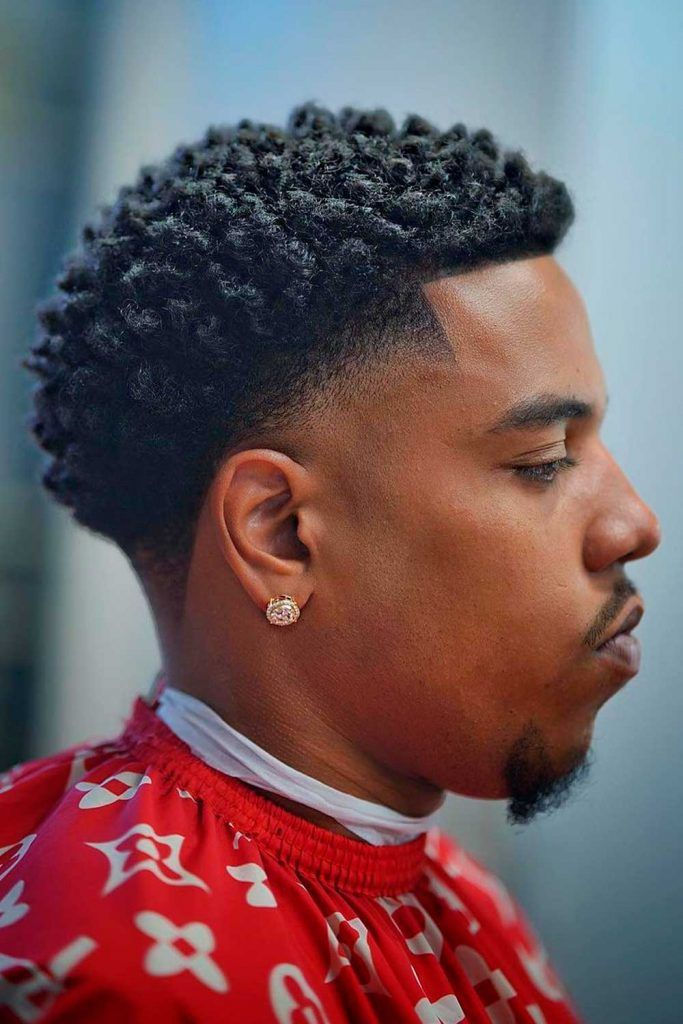
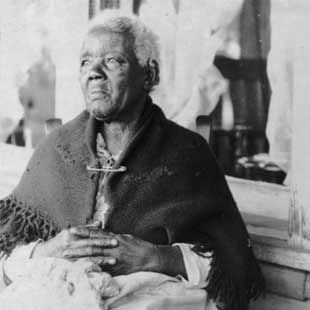
To go down the list of styles that African Americans choose to wear will take ages. It is a long and extensive list. However, the list of reasons behind every style is even longer. Of the countless styles there are several that stand out from the rest and afros are probably the most symbolic hair style that is connected to the African American people. Braids and braiding styles are maybe the second most symbolic. But, before diving into the different styles it is important to understand why hair matters. Before slavery in America and before the colonization, in Africa, hair and the styles that a particular person wore was a literal representation of their identity. It showed their tribal associations, wealthy, religion, and more. When these Africans were brought into America many women were forced to have their head shaven. This completely stripped them of their identity and the colonizers knew it. Today, hair is still as important in the community. Many Black people today wish to connect back to the people that have come before them and to show their own identity in their hair as well.
"And because hair is often a part of the first impression, for better or for worse, Black hair makes a loud statement that society just can't miss."
One of the most (again, there are tons, but the most recognizable) statement-making styles is an afro. Afros represent strength and the fight for freedom within the culture. They also symbolize breaking away form assimilation. They represent choosing to be Black unapologetically in a society where that can be seen as threatening or offensive. Afros became very popular during the Civil Rights movement in America, and still to this day, are popular in the culture. When people think afro, many think strong abolitionist or creative thinker and free spirit wishing to break away from the demands of a corrupt society. Some think about the roller-skates and boom boxes that were popular in the late 19th century. Whatever the stereotypical idea of an afro is, it cannot fully encompass the importance of it in the African American culture or the way that is has had such a dramatic impact of American history and society.
Braids have become a popular trend on social media but people forget that braids have a deep tie to the slave times in America. Enslaved Africans would braid food into their hair for nourishment. Braiding was also a time for them to share stories, connect with each other, and strengthen their community. Some African Americans even braided their hair into patterns that depicted routes to freedom. African Americans have worn braids for many generations and a lot like afros, they are a break form assimilation and a connection to the past and to a history that people tend to forget.
Locs are another style that become more popular America during the late 20th century. Many people believe that locs originated in Egypt. However, there is evidence that people have been locing their hair all across the world way before it became known in America. The idea of dreadlocs for many people is symbolic of Jamaica and Rastafarian culture. Rasta and locs in the Jamaica culture was developed in the 1930s by Marcus Garvey. In America, there are Black people who are Rastafarians, but some loc their hair for maintenance purposes. Others, to feel connected to other Black people and to the ancestors however, for many people with locs they have their own personal reasons and justifications as to why they choose to loc their hair.
Black Hair Care
The reality of being African American is that there are very few African Americans (in this context, descendants form slavery), who are not mixed with some other race or ethnicity. There are variations within the community leading to different hair textures and needs. Some people go by the 1A-4C hair chart, and others just go by curl pattern. Regardless, the needs for each hair texture are different leading to the use of different products.
The Black hair care industry is a billion dollar business, but yet there are some African Americans who still struggle to find the products and services that they need. And even in the 21st century, Black people are still being discriminated against because of their hair. Ex. a high school wrestler couldn't compete because his hair was in locs. They have been some improvements in legislature that have helped to reduce hair based discrimination but it is still a very real problem. The lack of resources and the exploitation that occurs in the Black hair care industry is extremely concerning considering the fact that we are supposed living in a post-Civil War and Civil Rights Movement society.
People are still having to fight for equal rights and for all their needs to be met. And the oppression does not stop with the African American community. The workers who have to make the products in factories, and the women who give their hair to make weaves and wigs face a lot of problems as well.
Making money for some businesses has become more important than helping their target market, and racism and ignorance has made it harder nearly every marginalized community in the industry. However, people in many ways have worked to overcome the problems within the Black hair care industry. Black people have learned to do their own hair and to take care of it at home. Others, have learned and do hair, teach others, or both. Entrepreneurship has blossomed within the industry with new businesses and hair shops for Black people being opened; this time owned by Black people as well. There are also companies who are working behind the scenes to fight racism and to help the people who are being taken advantage of.
The styles and trends within the industry are constantly changing due to the fact that hair styling is considered an art form and people express themselves with the hair they wear (or don't wear) on their head. The future of Black hair is bound to change but hopefully for the better. There is opportunity for more creativity, more diversity, and better ethical practices but the people who wish for change to be made are going to have to fight for it. There are people who like the state of the industry and wish for it to stay the same. Some do not see a problem with the way the businesses are being ran. But if there is a want for change, it needs to start intrinsically. The future is open but it is up to us to decide what we want our future to look like.
For more hairstyles for African Americans: https://www.thetrendspotter.net/african-american-hairstyles-haircuts/
I again asked questions to another Apollo student to get their perspective on African American hair:
Emily Diaz
Grade 12th
Age:17
**text messages**
Me:
-What do you think of when you think of African American hair?
-Have you been taught about African American hair?
-How is your experience with your hair?
-What advice/message would you want to give to the African American community about their hair?
Emily:
- When I think of African American hair, I usually think of different hairstyles ie braids and Afros primarily. The huge thing for me is how different it is than typical presentation of hair which is usually straight blonde or brunette hair
- No. However, I learned from friends of mine of color who would express their frustrations, but the big thing I was taught if you will, was that you can’t just come up to touch it. However, it wasn’t until I was older how important that it to African American people/hair
- With having curly hair, I had huge frustration with it as I wanted the stereotypical straight blonde hair and I did everything in my power to brush out my curls and hide them. It wasn’t until I got to high school that I finally learned to handle and treat my hair. Also, I learned about different textures and treatments that actually helped me and my mother and sister who all have curly hair embrace their natural and beautiful hair
- I think I can never give advice to the African American community about anything really lol, but a message I would say regarding their hair would be to embrace the beauty in it. It’s different and that’s good. There’s no shame in perfection.


Comments